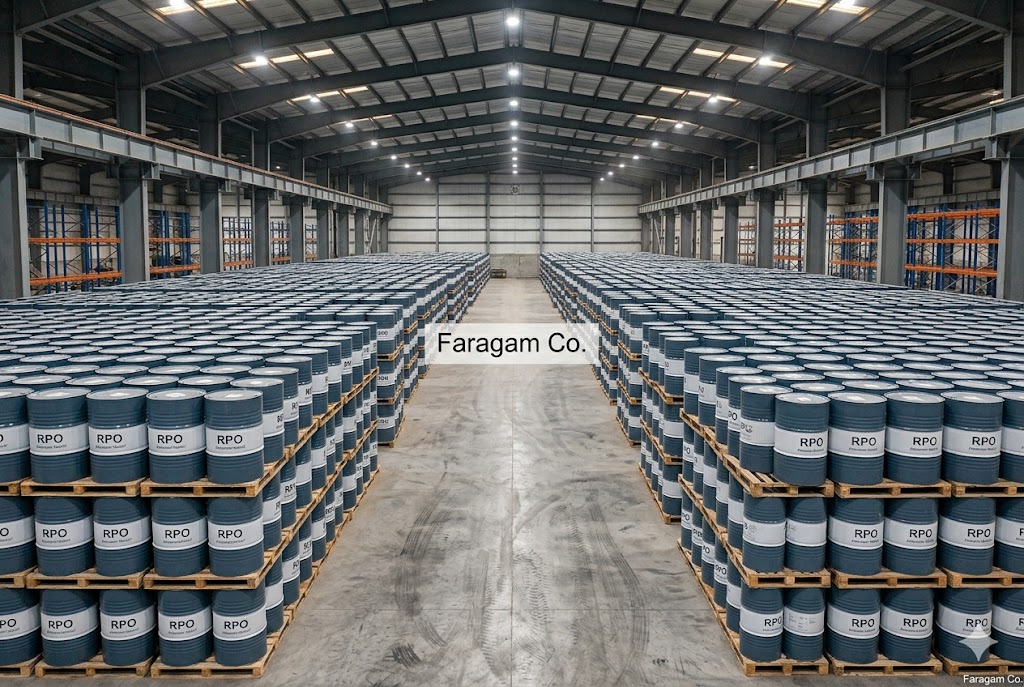
Rubber Process Oil (RPO) Key Industrial Applications
In the vast world of industrial manufacturing, optimizing the performance, elasticity, and processing efficiency of rubber products is a complex engineering challenge. At the heart of this optimization lies a critical component known as Rubber Process Oil (RPO). This specialized processing aid acts as both an internal lubricant and a performance enhancer, playing an indispensable role across a multitude of downstream manufacturing sectors. For businesses sourcing global industrial raw materials, understanding the intrinsic properties and strategic sourcing of RPO is paramount to maintaining both product quality and cost competitiveness.
What is RPO? Deciphering the Abbreviation and Nomenclature
RPO stands for Rubber Process Oil. It is a fully formulated or heavy distillate byproduct derived primarily from the refining of crude oil during the solvent extraction process of lube base oils. Within the global petrochemical trade and industrial chemistry networks, RPO is known by several alternative technical names and commercial descriptions, including:
-
Furfural Extract (specifically relating to the chemical extraction process used)
-
DAE (Distillate Aromatic Extract)
-
TDAE (Treated Distillate Aromatic Extract – the eco-friendly alternative)
-
TRAE (Treated Residual Aromatic Extract)
-
Rubber Extender Oil or Plasticizer Oil
Classification and Chemical Properties of Rubber Process Oils
RPO is not a single generic compound; rather, it is categorized into three primary structural types based on its dominant hydrocarbon molecular composition. The composition directly influences its compatibility with various synthetic and natural rubber polymers.
1. Aromatic Rubber Process Oil (Aromatic RPO)
Characterized by a high concentration of aromatic ring structures, Aromatic RPO boasts a high boiling point and excellent solvency. It is highly compatible with polar rubbers like Styrene-Butadiene Rubber (SBR) and Polybutadiene Rubber (BR). Its primary hallmark is its ability to drastically improve the tensile strength and compounding mechanics of heavy-duty rubber products.
2. Paraffinic Rubber Process Oil
Composed predominantly of straight or branched-chain saturated hydrocarbons, Paraffinic RPO exhibits low volatility, high flash points, and exceptional color stability against UV degradation. It is the preferred choice for non-polar, saturated elastomers such as Ethylene Propylene Diene Monomer (EPDM) and Butyl rubber.
3. Naphthenic Rubber Process Oil
Striking a precise balance between aromatic and paraffinic structures, Naphthenic oils feature cyclic, saturated hydrocarbon rings. They possess excellent low-temperature flexibility, color stability, and intermediate solvency, making them highly versatile for a broad range of general rubber formulations.
Primary Downstream Industrial Applications of RPO
The operational versatility of Rubber Process Oil ensures its deployment across a broad matrix of industrial applications, acting as a crucial fluid modifier and processing facilitator.
Automotive Tire Manufacturing
The tire industry consumes the lion’s share of global RPO production. Here, it is utilized as an extender oil to improve the dispersion of fillers like carbon black and silica within the rubber matrix. It lowers compounding temperatures, reduces internal friction during mixing, and enhances the ultimate wet grip and wear resistance of tire treads.
Industrial Belts, Hoses, and Extruded Profiles
For conveyor belts, automotive hoses, seals, gaskets, and weather-stripping profiles, RPO imparts critical flexibility and flex-fatigue resistance, allowing these components to withstand constant mechanical stress and fluctuating environmental temperatures without cracking.
Footwear and Consumer Goods
In the consumer goods sector, molded rubber outsoles for footwear, athletic equipment, and mats rely on specific grades of RPO to achieve precise shore hardness, elasticity, and desired tactile properties.
Adhesives, Sealants, and Asphalt Modification
Our industrial components extend beyond vulcanized rubber products. RPO serves as a premium plasticizing agent in hot-melt adhesives, pressure-sensitive sealants, and as a modifier for bitumen in road construction and roofing membranes, altering viscosity and thermal durability.
Comparative Analysis: RPO vs. Alternative Compounding Raw Materials
When engineering rubber formulations, compounding chemists must weigh the benefits of RPO against other common industrial raw materials and substitute processing aids. The table below delineates the key differences:
| Raw Material Component | Primary Function | Compatibility With Elastomers | Cost Efficiency Ratio | Impact on Tensile / Physical Properties |
| Rubber Process Oil (RPO) | Extender & Internal Lubricant | High (Broad spectrum SBR, BR, EPDM via grading) | Excellent / Highly Cost-Effective | Optimizes flexibility, elongation, and wear resistance. |
| Synthetic Plasticizers (Phthalates/Adipates) | Softening & Low-Temp Flexibility | High (Mainly polar polymers like NBR and PVC) | Expensive / Premium Cost | Excellent low-temp flex, but prone to migration/leaching. |
| Vegetable / Bio-Based Oils | Eco-Friendly Softener | Moderate (Natural Rubber, SBR) | High / Variable Premium | Improves sustainability profile but lowers long-term thermal stability. |
| Coal Tar / Coumarone Resins | Tackifier & Hardener | Moderate (Mechanical goods) | Moderate | Increases toughness and hardness but can negatively impact elongation. |
Global Trade Dynamics and Primary Exporting Destinations
RPO is a highly traded commodity across international borders due to the geographic concentration of base oil refineries and the global spread of automotive manufacturing hubs. The key global importing markets driving RPO demand include:
-
East and Southeast Asia: China, India, Vietnam, and Indonesia (hubs for massive tire and footwear manufacturing plants).
-
The Middle East & North Africa (MENA): UAE, Turkey, and Egypt (expanding infrastructure, construction, and automotive parts manufacturing).
-
Europe & CIS: Leading industrial centers requiring stringent TDAE/eco-friendly compliance grades for automotive components.
-
East Africa: Growing markets for retread tires and basic industrial rubber components.
Strategic Sourcing: Why Choose RPO from Iran and Faragam Co.?
When navigating supply chains for chemical raw materials, global procurement managers look for three non-negotiable variables: consistent chemical specifications, structural cost advantages, and logistical reliability. This is where Iranian energy corridors and Faragam Co. provide an unparalleled advantage.
The Iranian Petrochemical Advantage
Iran possesses some of the world’s largest proven oil reserves and a highly advanced refinery infrastructure specialized in solvent extraction. Consequently, Iranian Furfural Extracts and RPOs are renowned globally for their high aromatic content, low volatility, and excellent flash points, matching or exceeding international ASTM standards. Furthermore, proximity to major maritime transport lanes ensures highly competitive freight economics.
Why Partner with Faragam Co. as Your RPO Supplier?
At Faragam Co., we bridge the gap between high-tier petrochemical production and seamless international B2B supply. We ensure your production lines run uninterrupted through several core competencies:
-
Rigorous Quality Control: Every batch of RPO supplied by Faragam Co. undergoes strict laboratory analysis to verify viscosity, flash point, aniline point, and aromatic content consistency.
-
Tailored Grading: We supply a comprehensive spectrum of RPOs, from high-performance Aromatic Furfural Extracts to eco-compliant grades, meeting the exact viscosity profiles required by your compounders.
-
Flexible Packaging & Logistics: Understanding diverse logistical needs, we offer flexible packing options including New Steel Drums, Flexitanks, and IBC Totes, managed by a logistics network optimized for timely international delivery.
-
Transparent B2B Partnerships: Faragam Co. prioritizes long-term contract stability, providing competitive, transparent pricing frameworks and dedicated regulatory compliance support.
To optimize your industrial formulations and streamline your raw material supply chain, contact the commercial technical division at Faragam Co. today for product data sheets (PDS), material safety data sheets (MSDS), and customized price quotations.