
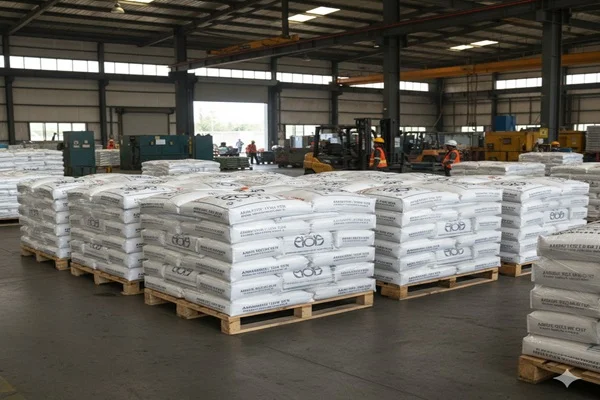
Poly Aluminum Chloride (PAC) Powder, the fast, clean way to clarify water
What is PAC and how does it work?
Poly aluminum chloride (PAC) is an inorganic polymer coagulant used worldwide to remove suspended solids, colour, organic matter and many types of contaminants from drinking water and industrial/municipal wastewater. PAC is usually supplied as a powder (or liquid/granules) and contains pre-hydrolysed aluminium species that rapidly destabilize colloids and form dense, fast-settling flocs — so filtration and sedimentation run more effectively than with many traditional coagulants.
Key benefits of PAC powder (why users prefer it)
Higher coagulation efficiency and lower doses
Because PAC is partially polymerized, it usually needs a smaller dose than plain alum (aluminum sulfate) to achieve the same turbidity removal — that means lower chemical consumption and smaller handling volumes.
Faster floc formation & clearer water
PAC forms larger, denser flocs that settle quickly. Faster settling shortens treatment cycles and reduces filter loading, improving plant throughput.
Less sludge, easier disposal
PAC typically produces less sludge volume and more compact sludge (per unit of turbidity removed) compared with some conventional coagulants, lowering sludge handling and disposal costs.
Better performance across pH ranges & with organics
PAC performs reliably over a wider pH window and often gives superior removal of natural organic matter and colour — a major advantage for surface-water drinking supplies and textile/dye effluents.
Common applications (where PAC is used)
-
Drinking-water treatment (surface and groundwater clarification)
-
Municipal wastewater and industrial effluent treatment (textile, paper, mining, oil & gas produced water)
-
Sludge dewatering and solid-liquid separation processes
-
Process water clarification in paper & pulp, tanning, ceramics, and other industries.
Who imports PAC? (major import markets)
Global trade flows vary year-to-year, but data and trade lists show strong import demand across Southeast Asia (Malaysia, Vietnam, Indonesia), South Asia (Bangladesh), parts of the Middle East, and many developing industrial markets that rely on imported water-treatment chemicals. China, India and Vietnam are major suppliers; import hubs in SE Asia and South Asia often top shipment counts. If you sell or source PAC, target these regions first and check monthly trade data for shifting demand.
Quality & specs to watch when buying PAC powder
Active aluminum % (e.g., 10–30% typical)
Higher active aluminum usually reduces dose but affects handling — always check product TDS/MSDS and dosing trials.
Basicity / polymerization (affects performance)
Basicity (hydrolysis degree) changes coagulant behavior; choose grades matched to your raw water chemistry and jar-test results.
Purity and contaminants (chloride, heavy metals)
For drinking-water use, specification on residual metals and chloride must meet local regulations — request certificates and lab analysis.
Why pick a reliable supplier — and why Faragam is a practical choice
When buying PAC you need steady supply, certificates (MSDS, COA), export experience, and logistics that keep deliveries on schedule. Faragam is active in chemical raw-materials export and lists relevant water-treatment chemicals among its products and trade portfolio, making them a practical regional supplier to consider. For project quotes, ask Faragam for product COAs, batch test data, and shipping terms so you can run jar tests before full-scale dosing.
-
PAC powder supplier for wastewater treatment
-
buy poly aluminum chloride bulk export
-
PAC vs alum coagulant benefits
-
PAC jar test dosing per m³
-
polyaluminum chloride importers Malaysia Vietnam Indonesia
Poly aluminum chloride powder is a highly effective, lower-dosage coagulant that improves treatment speed and clarity while often producing less sludge. For procurement: validate specs, run jar tests, and secure COAs before committing to bulk shipments. If you’re looking for a reliable regional supplier with export experience, Faragam lists chemical raw materials and can supply product details, COA and sample shipments — request their datasheet and sample to run your plant trials.


