

Industrial & Cosmetic Vaseline (Petroleum Jelly) Applications, Grades, Specifications & Global Supply
Vaseline , also known as petroleum jelly, is a widely used product known for its moisturizing, protective, and healing properties. Originally discovered in the 19th century, it has since become a household staple with applications in skincare, medicine, cosmetics, and even household maintenance. This article explores the various uses in daily life.
1. Vaseline Skincare Applications
Moisturizer for Dry Skin
Vaseline acts as an excellent occlusive moisturizer, locking in moisture and preventing water loss from the skin. It is especially useful for treating dry skin on the hands, feet, elbows, and knees.
Lip Balm
Chapped lips can be effectively treated with this amazing product. It forms a protective barrier over the lips, keeping them soft and preventing further dryness or cracking.
Healing Cracked Heels
Applying to cracked heels before bed and covering them with socks can help soften the skin and promote healing.
Soothing Minor Burns and Cuts
It helps protect minor cuts, burns, and scrapes by keeping the wound moist, which can speed up the healing process and reduce scarring.
Preventing Diaper Rash
Parents often use as a barrier cream to protect babies from diaper rash. It helps shield the skin from moisture and irritation.
2. Vaseline in Beauty and Cosmetic Uses
Makeup Remover
It can be used to gently remove makeup, including waterproof mascara and eyeliner, without irritating the skin.
Highlighter for a Natural Glow
Dabbing a small amount of petroleum jelly cosmetic grade on the cheekbones, eyelids, or lips can create a natural dewy look without the need for highlighter.
Eyebrow and Eyelash Conditioner
Applying a thin layer to eyebrows and eyelashes can help keep them moisturized and promote a healthier appearance.
Preventing Hair Dye Stains
Before applying hair dye, it can be applied along the hairline and ears to prevent staining on the skin.
3. Medical and Therapeutic Uses
Protecting Against Chafing
Runners and athletes use it to prevent chafing on areas prone to friction, such as thighs, underarms, and heels.
Relieving Cold and Allergy Symptoms
Applying around the nostrils can help prevent irritation caused by frequent nose blowing during colds or allergies.
Treating Eczema and Psoriasis
People with eczema and psoriasis often use it to help soothe and protect irritated skin from further damage.
4. Household and Miscellaneous Uses
Polishing Leather Shoes and Bags
A small amount of petroleum jelly can be used to restore shine and moisture to leather goods, preventing cracks and extending their lifespan.
Lubricating Hinges and Zippers
Stiff door hinges and stuck zippers can be fixed by applying as a lubricant.
Protecting Metal Surfaces
It can help prevent rust on metal tools, bike chains, and outdoor equipment by creating a moisture-resistant barrier.
It is a versatile product with countless applications in skincare, beauty, health, and even household maintenance. Its affordability, effectiveness, and wide range of uses make it a must-have in every home. Whether for healing dry skin, enhancing beauty routines, or solving everyday problems, Vaseline remains a trusted and valuable product.
Some routine questions about Vaseline (FAQ)
1. What are the main applications of Vaseline (petroleum jelly)?
Vaseline is widely used in cosmetic, pharmaceutical, and industrial applications. In cosmetics, it acts as a moisturizer and skin protectant. In pharmaceuticals, it is used as an ointment base. In industry, it serves as a lubricant, anti-corrosion coating, release agent, and moisture barrier.
2. What is the difference between cosmetic grade and industrial grade Vaseline?
Cosmetic and pharmaceutical grades are highly refined and meet purity standards for skin contact. Industrial grade Vaseline is used for lubrication, rust prevention, and cable filling compounds, where ultra-high skin purity is not required.
3. Why is Vaseline used in cosmetic formulations?
Vaseline forms an occlusive barrier on the skin, reducing moisture loss. This makes it effective in creams, lip balms, lotions, and baby care products. It is chemically stable, non-reactive, and compatible with many cosmetic ingredients.
4. How is petroleum jelly used in the pharmaceutical industry?
In pharmaceuticals, Vaseline is used as an ointment base for topical medications. It helps deliver active ingredients while protecting the skin and preventing dehydration.
5. What industrial uses does Vaseline have?
Industrial applications include lubrication of machinery parts, rust protection of metal surfaces, electrical insulation, cable filling compounds, leather conditioning, and use as a release agent in molding processes.
6. Is petroleum jelly safe for skin contact?
High-purity cosmetic and pharmaceutical grades of petroleum jelly are considered safe for skin use when properly refined. These grades comply with international standards and are free from harmful impurities.
7. Can Vaseline be used in rubber and plastic industries?
Yes. Petroleum jelly is used as a plasticizer, processing aid, and protective coating in rubber and polymer industries. It improves flexibility and protects materials from oxidation.
8. What packaging options are available for bulk Vaseline supply?
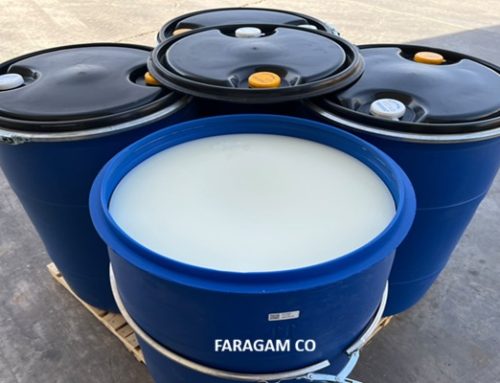
Vaseline is commonly supplied in drums, cartons, and bulk packaging for industrial and export purposes. Packaging depends on grade, viscosity, and customer requirements.
9. Does Vaseline have a role in electrical and cable industries?
Yes. Petroleum jelly is widely used in cable filling compounds to prevent moisture penetration and protect against corrosion in telecommunications and power cables.
10. Why is petroleum jelly preferred over other lubricants in certain industries?
Its chemical stability, water resistance, non-reactivity, and long shelf life make it ideal for applications where oxidation resistance and moisture protection are critical.

Leave A Comment